
2025: The year input management became strategic
year in review
- Buildsimple News

When you look back on 2025, you probably rarely think of "input management" first. Rather, you think of cost pressure, skills shortages, regulations, new products, and increasing transaction volumes. And that is precisely why the way in which incoming mail, documents, and emails are processed has become strategically relevant: it determines how quickly, stably, and securely your departments can work.
2025 was a turning point for us: working together with you, we transformed a single recognition solution into an input management and AI platform that handles your entire document logistics – from emails and scans to complex processes in claims, inventory, and service. Our goal is simple: standardized processes, less manual effort, higher quality, and calculable risks.
Table of Contents
What makes our platform different: Standardization instead of AI islands
Many providers talk about AI in the inbox. The key difference is whether you end up running another specialized solution or a platform on which you can standardize your document processes in the long term.
With Buildsimple, we consistently focus on standardization:
- One tool for all AI architectures: You can use different AI architectures and LLMs without having to rebuild your processes each time. Interfaces and user interfaces remain the same—even as the AI market continues to evolve.
- Always the right AI for the use case: Whether classic machine learning, deep learning, or large language models—we combine the appropriate technology with your specific scenario instead of promising a "one size fits all" solution.
- Process-based processing instead of individual documents: Multiple related documents are processed as a single business process. This is the key to true inbound mail automation, not just single document recognition.
- Native email processing: Buildsimple treats emails, attachments, and documents as a single process. This reduces manual sorting work and ensures consistent processes across your inbound channels.
The result: you don't have to introduce a new "mini solution" for every new use case, but rather expand a platform that your organization is already familiar with.
Latest posts


Don't miss any news
Subscribe to our newsletter for the latest news, developments and functions relating to Buildsimple.






AI, but secure: Your own AI foundation + LLM flexibility
The discussion about AI often revolves around individual models. However, other questions are crucial for companies:
How secure is the whole thing? How do I keep costs under control? How do I remain independent?
Our response to this:
- Your own AI infrastructure as a safety net: In addition to dynamic LLM offerings, we provide a stable Buildsimple AI infrastructure. This means you will never be left without AI support, even if the market or the pricing models of individual providers change significantly.
- Compliance by design: Staging, versioning, transparency, and traceability are integral parts of the platform. Same input document, same configuration, same result—a principle that builds trust, especially in regulated environments.
- Human in the loop when it matters: Every AI makes mistakes. That's why we offer efficient ways to verify results and make targeted adjustments without overloading your departments with additional clicks.
This allows you to combine the speed of modern AI with a framework that supports reviews, audits, and internal governance structures—rather than undermining them.
Costs and scaling: We assume the risk of fluctuation on our side
AI can be expensive, especially when usage and pricing models are difficult to predict. Our approach is deliberately different:
- We bear the cost risk: you get stable, predictable costs, while we manage volatility in the background.
- Designed for high volumes: Buildsimple is designed to process very high volumes of documents and transactions and to scale LLMs across multiple AWS regions.
- No surprises when it comes to growth: As your business grows or new use cases are added, the platform grows with it—without your departments feeling the complexity of the underlying infrastructure.
This transforms AI in the initial process from a difficult-to-calculate experiment into a manageable operating model.
Added value for departments: Less paperwork, more professional work
For your specialist areas, it's not models, APIs, or architectures that count, but everyday life:
- Less manual sorting and preparatory work: emails, attachments, and documents are automatically presorted, classified, and enriched. Your teams can concentrate on technical decisions.
- Consistent quality across teams and locations: By comparing with master data and clear validation rules, you get consistent results—regardless of who is currently available in the team.
- Faster processing, fewer queries: When information is accurately recognized, checked, and enriched early in the process, there are fewer delays between the department, service, and back office.
Many of our customers report that "document work" is significantly less visible internally—simply because it runs more smoothly. That is precisely the goal.
Added value for IT & architecture: Open, integrable platform
IT decision-makers face other questions: How does it fit into existing architectures? Is it expandable? Is it secure?
This is where our platform comes in:
- Open integration: Buildsimple integrates into existing DMS, archive, and specialist system landscapes and becomes the central component for intelligent document processing and input management, rather than just another isolated component.
- Standardized interfaces: Consistent APIs and interfaces allow you to connect new document types and use cases more quickly—with fewer customized solutions.
- Centralized governance instead of shadow IT: AI use in document intake becomes controllable, uniform, and traceable. This helps to avoid uncontrolled growth and "shadow AI" and to demonstrably meet security and compliance requirements.
In short, the platform helps IT and business departments come together in one place—not in two separate worlds.
Enablement & Change: Technology alone is not enough
A modern inbox changes the way we work. That's why we don't leave you to technology alone:
- Enablement for specialist departments: We help your teams understand new workflows, classify AI results, and use the right levers.
- Guidelines & Governance: We work with you to define rules for the use of AI in input management—from testing strategies to approval processes.
- Partnership approach: We work closely with your internal teams and our partners to ensure that functional requirements, technical capabilities, and regulatory frameworks work together seamlessly.
This ensures that the platform is not perceived as a "black box," but rather as a tool that employees can actively use.
Partner ecosystem: Input management is a team sport
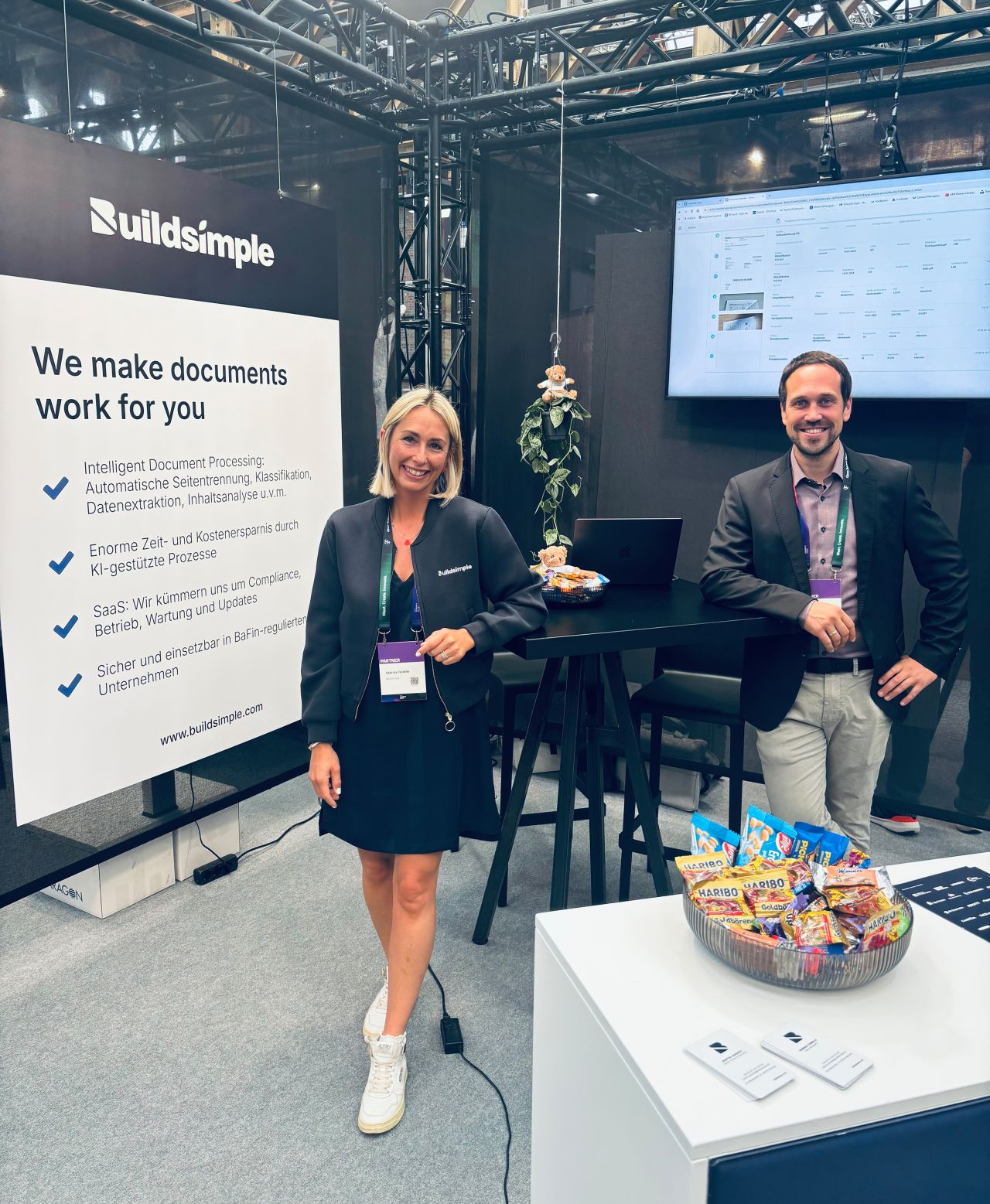
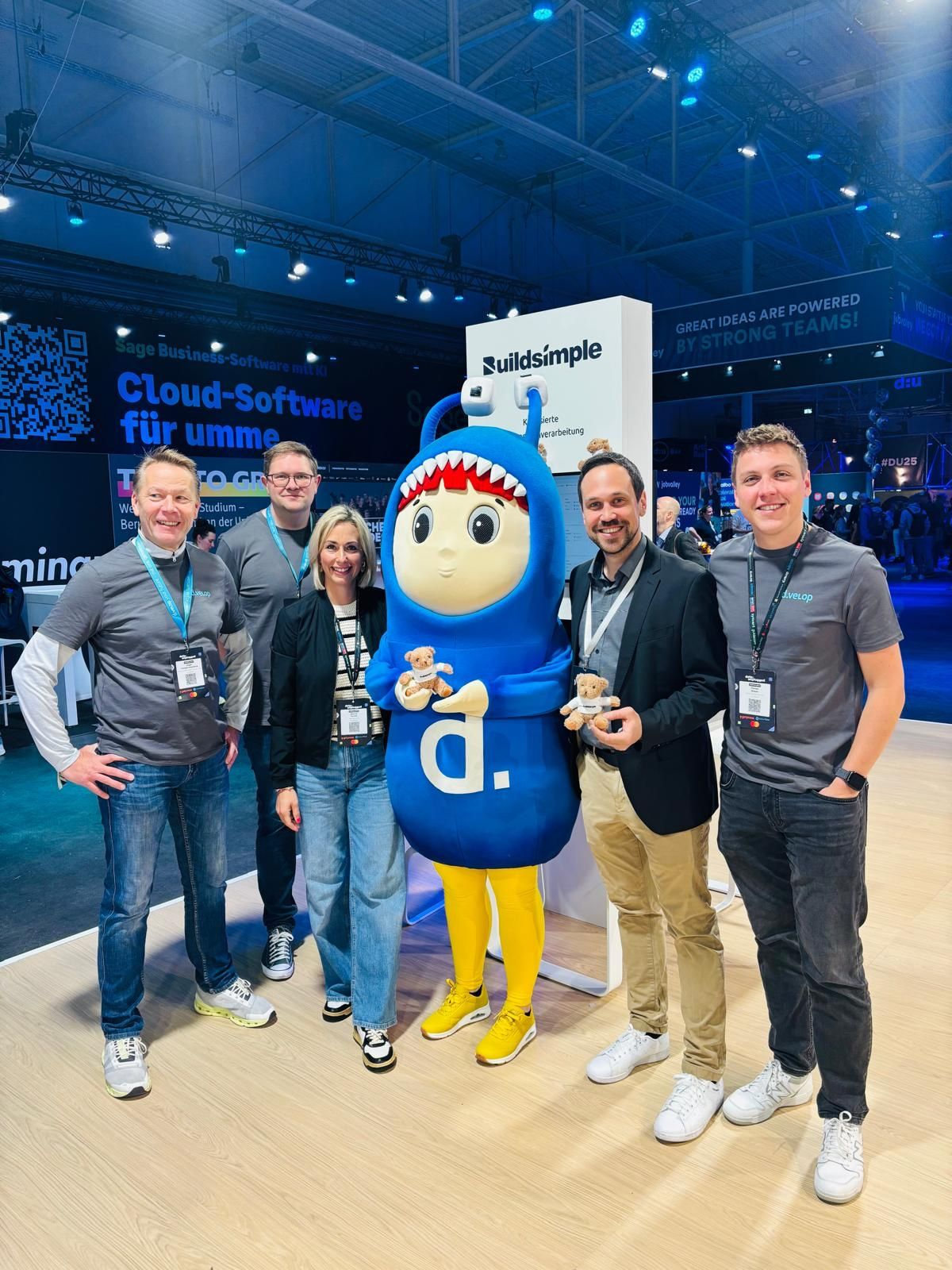
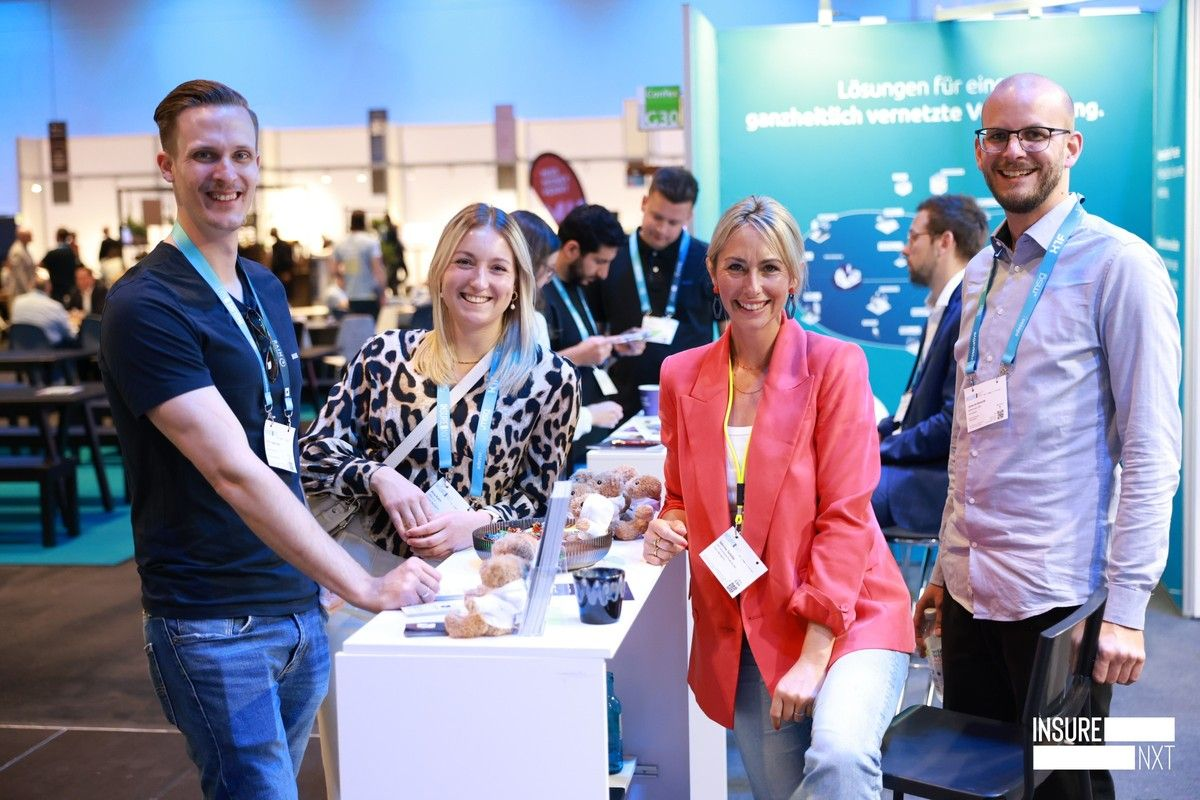
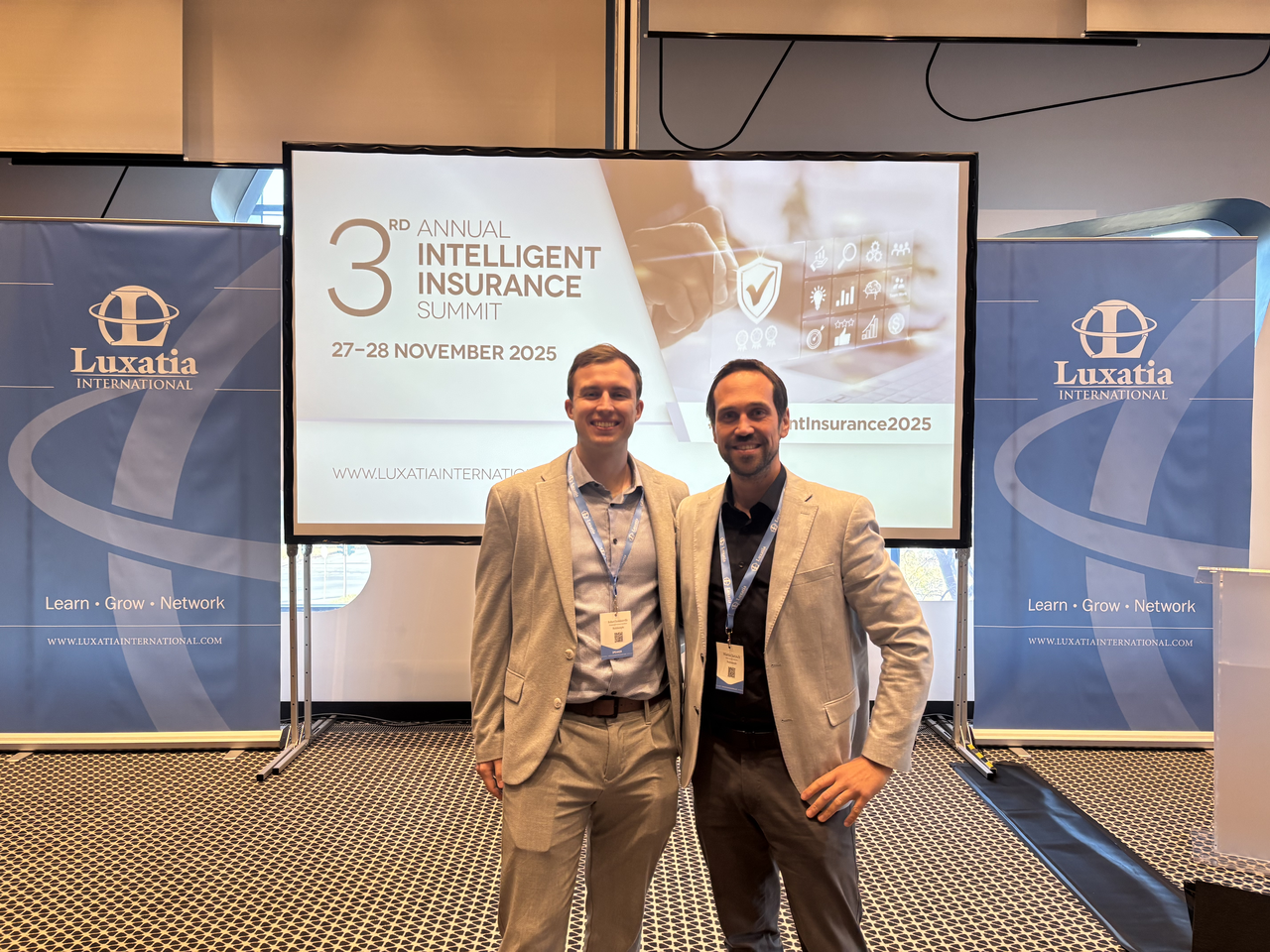
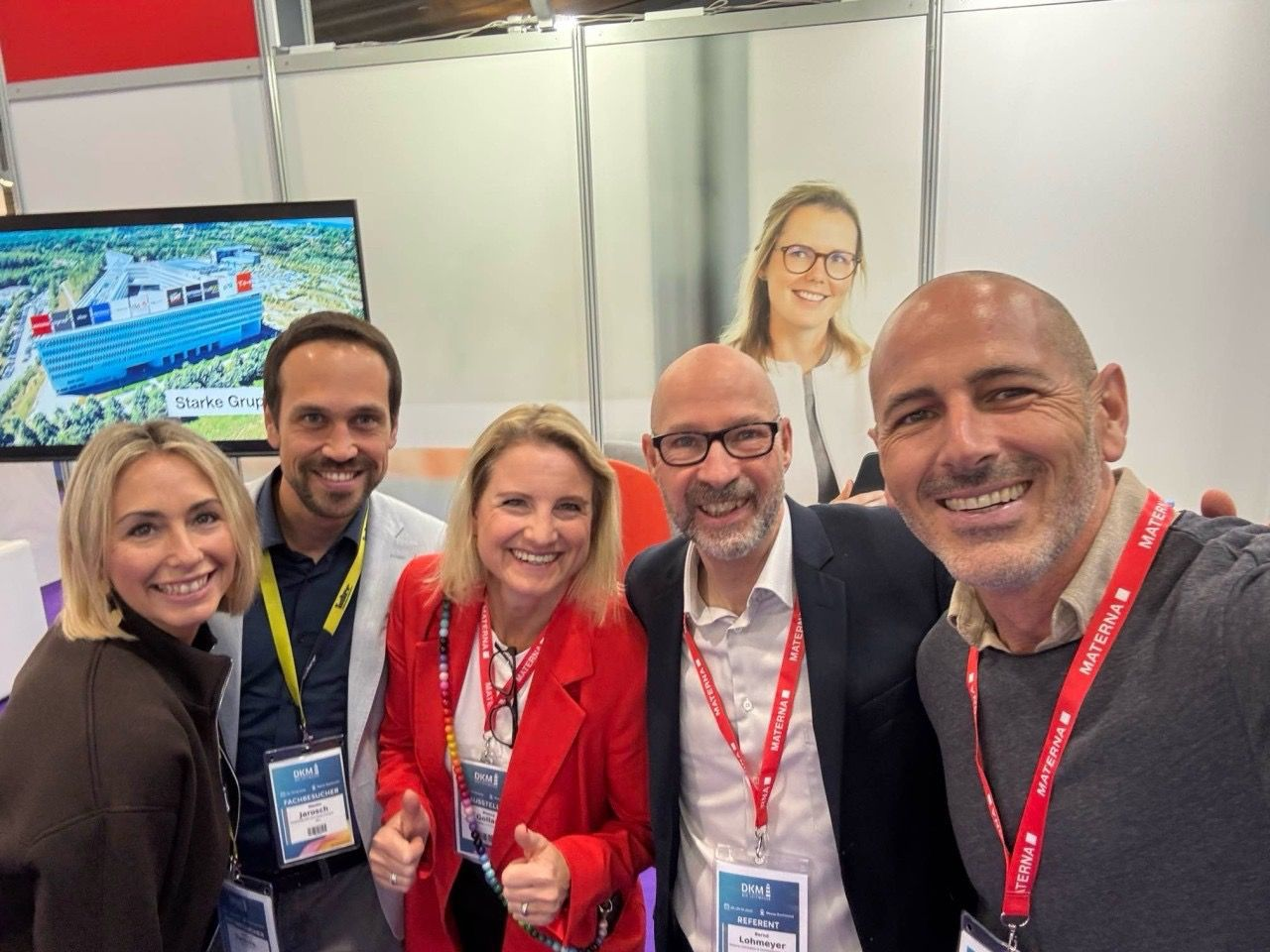
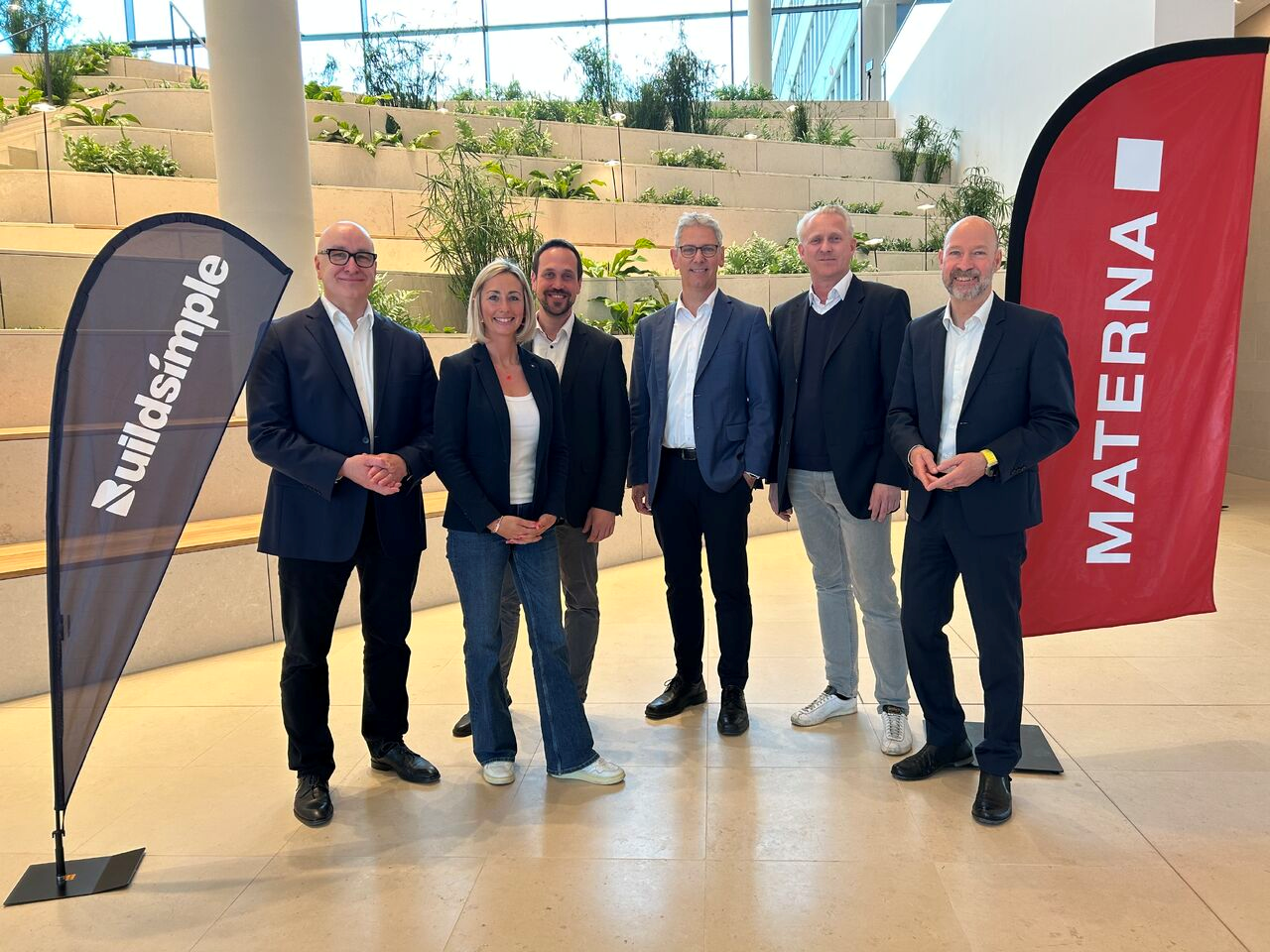
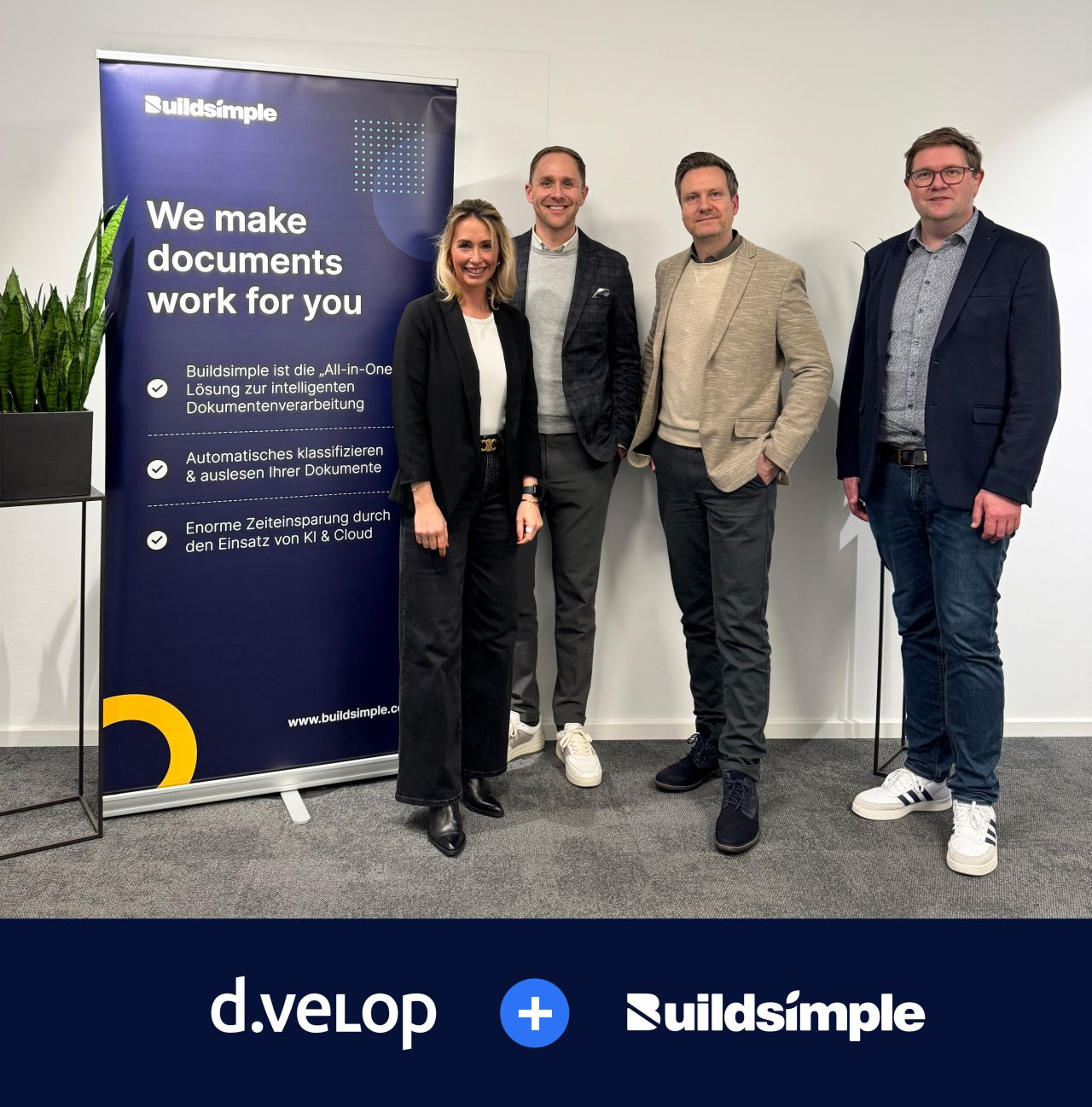
Input management and AI are team sports. In 2025, we further expanded our collaboration within the CENIT Group and with technology partners. Together with CENIT, mip, and other partners, we bring together expertise in AI, data & analytics, and document logistics to implement end-to-end solutions—from strategy to implementation to operation.
This is crucial for you because:
- Complex projects rarely fail because of technology, but rather because of interfaces, responsibilities, and implementation capabilities.
- Benefit from best practices from different industries and system landscapes
- You have one contact person with a robust network instead of having to manage many individual contacts.
2026: The year when you will feel the difference in the process
If 2025 was the year of expansion into a platform, then 2026 will be the year in which the difference in day-to-day business becomes even more apparent:
- More end-to-end automation in the inbox
- Greater reuse of functional and technical building blocks for new use cases
- Even closer integration of classic AI and LLMs in your production processes
Our goal is for your departments to see the difference not only in concept slides, but also in their day-to-day work: less searching, fewer queries, fewer media breaks.
Save the date: EIM Day on February 24, 2026 – where everything comes together
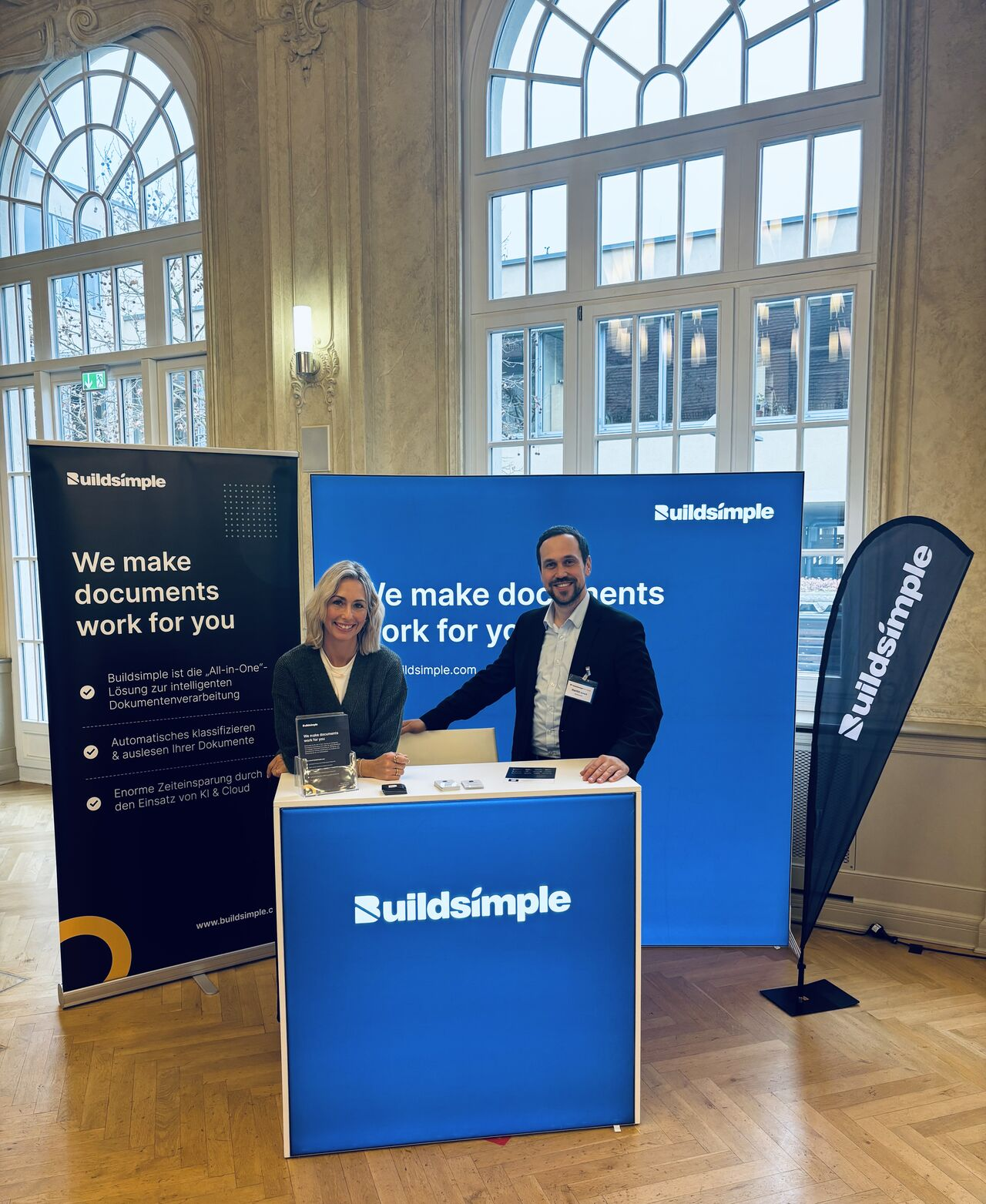
If you want to see how these topics feel in practice, you should make a note of the Enterprise Information Management Day on February 24, 2026, at the German Sports & Olympic Museum in Cologne. Under the motto that IT is a team sport, we are bringing customers, experts, and partners together in one place together with CENIT, Buildsimple, and mip.
What you can expect there:
- Focus tracks on AI, data & analytics, and document logistics, with concrete insights into how companies have rolled out their information logistics and AI use.
- Best practice presentations from the field, for example on LLMs in document receipt, the introduction of modern DMS and e-file solutions in regulated environments, and the implementation of complete incoming mail processing in a short period of time.
- A report based on eight years of AI development experience, in which we openly share where LLMs excel, where classic AI is superior, and how to integrate both stably into production processes.
- Trade fair & networking: You will speak directly with contacts from projects, technology partners, and experts who are addressing similar challenges to yours.
All this in a setting that is deliberately different from the classic conference room: at the German Sport & Olympia Museum, where top performance and team spirit meet IT topics.
Save the date for EIM Day 2026 on February 24, 2026, in Cologne, and secure your spot: EIM Day 2026. Here, you will experience how standardization in input management, AI, and strong partnerships work together—and what that means for your organization in concrete terms.